
Your AIprocurement team.From sourcingto delivery.

Rows of coloured shipping containers and cranes at a port, seen from above

AI agents and category experts working as one procurement team across every category — requirements, cost, sourcing and execution. In Cata's own supply categories, we can also deliver directly.

Scroll to open the workbench
Category workbenchFastenersSample data
Sample category

Category brief · Self-tapping screw

3 / 4 confirmed
Sample
Size
ST4.2 × 25
Head
Cross countersunk
Material
Carbon steel · zinc
Annual qty
Awaiting business input

Should-cost

Share per unit
  • Wire rod42%
  • Heading & rolling24%
  • Overhead & margin14%
  • Plating12%
  • Freight8%

Assumptions pending expert review

Supplier comparison

Normalized · incumbent = 100
SupplierQuote indexLead timeNotes
Supplier AIncumbent10010 daysMeets spec
Supplier B9120 daysPlating test pending
Supplier C1063 daysIncludes consignment stock

Draft: keep Supplier A; compare B after its plating test.

Award approved by your team

01Workbench

Any category, one workbench.

Switch the sample category to see brief, cost and comparison side by side. All figures are sample data.

02Workflow

From requirements to results.

Cata connects the work that usually sits across spreadsheets, inboxes, suppliers, and internal teams. Each stage produces something the next can use: a clear brief, a cost model, a sourcing recommendation, or a delivery plan.

01/ 05 · Understand

A clearer brief. A stronger start.

Specifications, purchase history, supplier records and stakeholder needs become one brief, with gaps and conflicts surfaced early.

Your team confirms the requirements.

More detailLess detail

We bring specifications, purchase history, supplier records, and stakeholder requirements into a structured category brief. Missing information and conflicting requirements surface early, before they become unsuitable quotes or delivery problems.
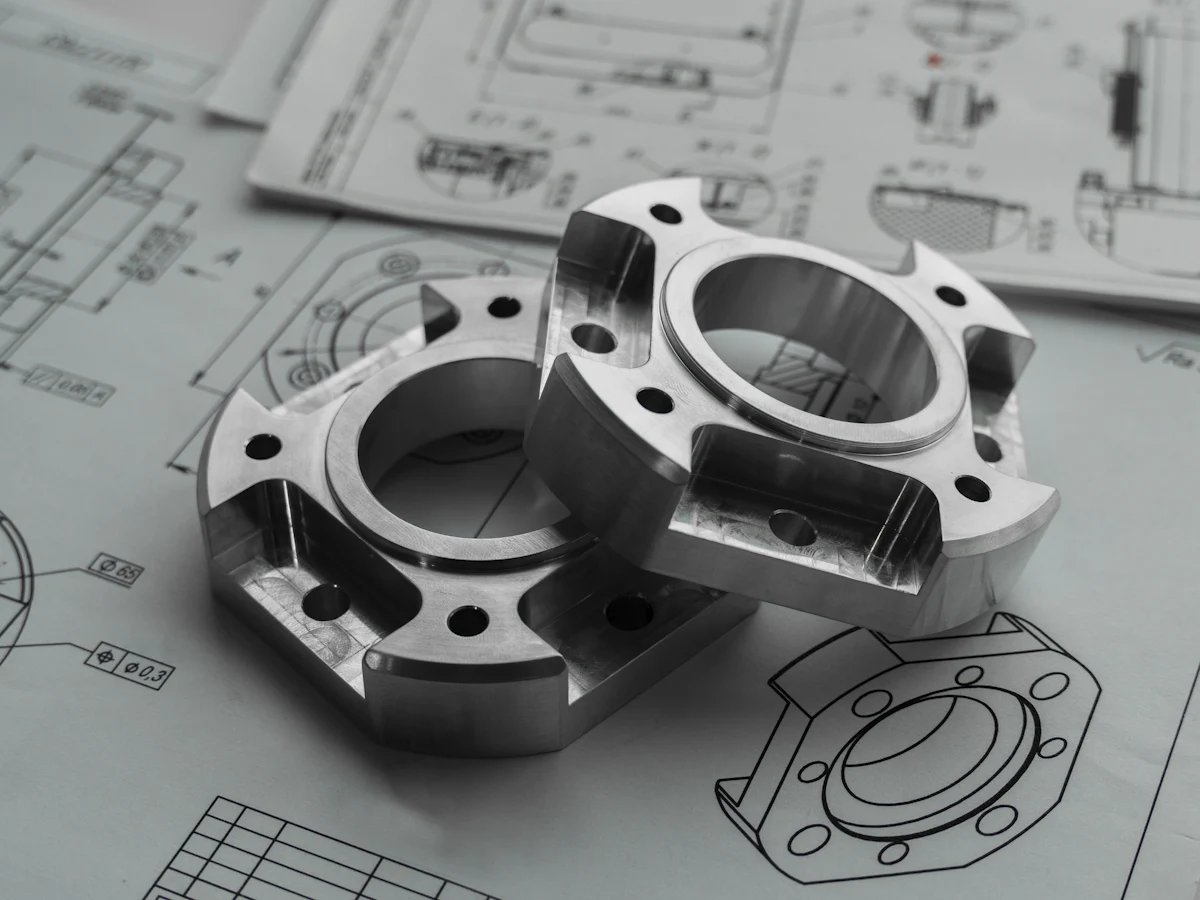
Two machined metal parts on engineering drawings
Stage 01UnderstandIn progressDelivered

Input

  • Specifications
  • Purchase history
  • Supplier records
  • Stakeholder needs

Agent actions

  1. Clarify specifications and demand
  2. Structure spend and supplier data
  3. Confirm priorities and approval rules

Output

A category brief with confirmed specifications

02/ 05 · Analyze

Know what should drive the cost.

Material, conversion and freight broken down; quotes compared on one basis, credible savings separated from cheap-looking ones.

Category experts validate the assumptions.

More detailLess detail

We break down material, conversion, logistics, and other relevant cost drivers to estimate what a product should cost. Quotes are normalized against the same specifications and commercial terms, separating credible opportunities from savings that would compromise quality or supply.

Rows of steel coils in a warehouse
Stage 02AnalyzeIn progressDelivered

Input

  • Category brief
  • Supplier quotes
  • Commercial terms

Agent actions

  1. Break down cost drivers
  2. Normalize quotes for comparison
  3. Evaluate total cost and trade-offs

Output

A should-cost breakdown and quote comparison

03/ 05 · Source

The right supply. On your terms.

RFQs prepared, responses coordinated, gaps clarified — a recommendation on total cost, quality, capacity and lead time.

You retain supplier and award approval.

More detailLess detail

We prepare requests for quotation, coordinate supplier responses, and resolve gaps that make bids difficult to compare. You receive a recommendation grounded in total cost, quality, capacity, and lead time, with category experts supporting negotiation.

Shelves displaying many kinds of brick samples
Stage 03SourceIn progressDelivered

Input

  • Should-cost model
  • Incumbent suppliers
  • Alternative sources

Agent actions

  1. Prepare and coordinate RFQs
  2. Compare price, quality, and lead time
  3. Support negotiation and supplier selection

Output

A supplier shortlist and award recommendation

04/ 05 · Execute

Follow through into the physical world.

Orders, quality and delivery milestones followed through with suppliers; in Cata's own supply categories, Cata supplies directly as a backstop.

You and Cata agree delivery responsibilities up front.

More detailLess detail

We coordinate orders, follow suppliers on quality requirements and delivery milestones, and work through exceptions together. In Cata's own supply categories we can also supply directly, as a backstop. The project defines which delivery responsibilities Cata takes on.

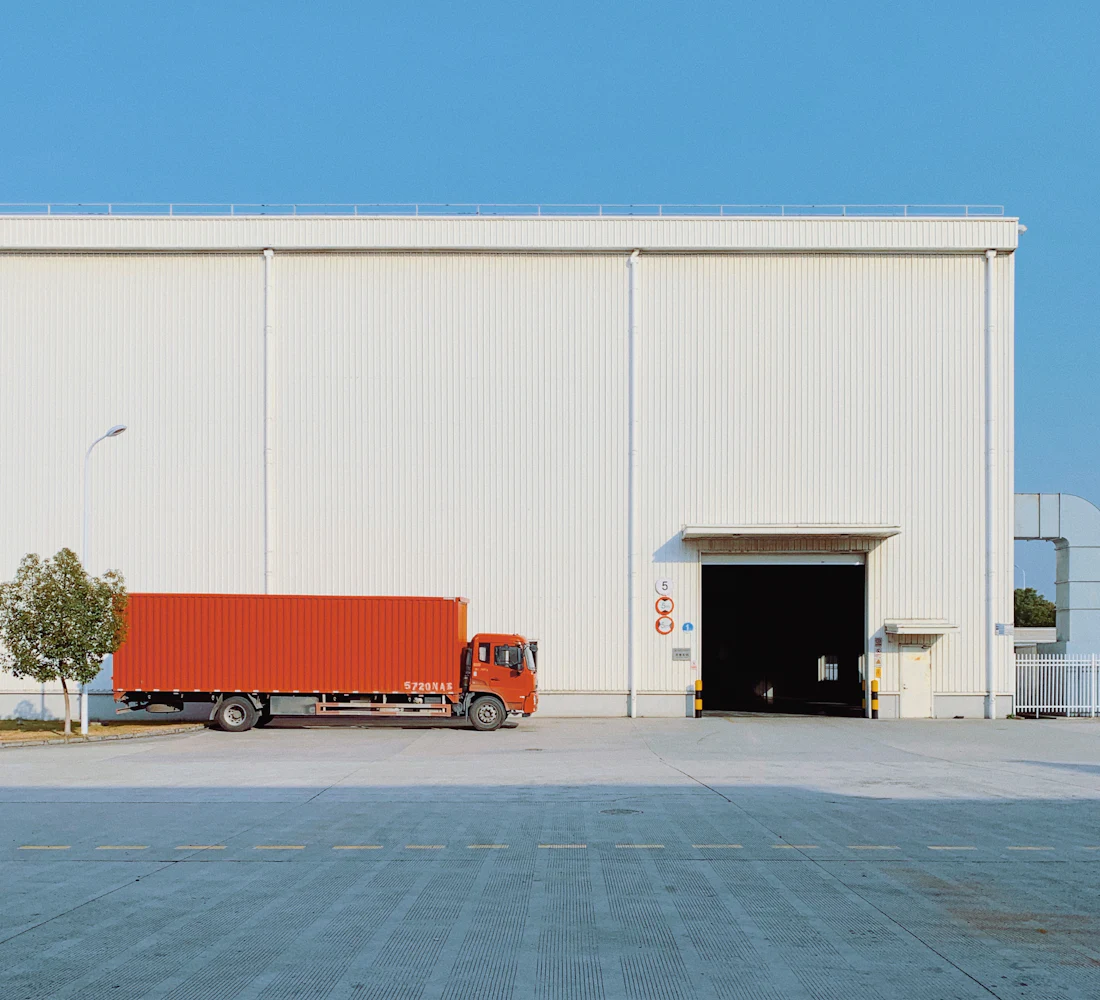
A red freight truck parked at a warehouse door
Stage 04ExecuteIn progressDelivered

Input

  • Approved sourcing decision
  • Quality requirements
  • Agreed delivery scope

Agent actions

  1. Coordinate orders and milestones
  2. Follow up on quality and delivery
  3. Escalate exceptions to accountable people

Output

An order plan, milestones, and exception log

05/ 05 · Improve

Every cycle makes the next one better.

Actual prices, supplier performance and delivery results feed the next cycle, refining specs and cost assumptions.

Your team reviews outcomes and next steps.

More detailLess detail

Actual prices, supplier performance, quality issues, and delivery results inform the next sourcing cycle. We refine specifications, cost assumptions, and follow-up routines, checking the source of each finding and the data permissions established with your business.

An automated production line in a factory hall
Stage 05ImproveIn progressDelivered

Input

  • Actual prices
  • Supplier performance
  • Quality issues
  • Delivery results

Agent actions

  1. Review actual cost and service performance
  2. Capture supplier and category knowledge
  3. Refine the next procurement cycle

Output

A cost and supplier performance review

03Direct supply

A new kraft mailer box in raking light

Beyond sourcing,Cata can supply directly.

A kraft rigid box with a lid resting on white satin

Cata is an AI procurement service for every category. On top of that, we are building our own supply categories: in these, Cata supplies customers directly and backs up delivery of the materials that matter. Packaging is the first; next come the most common indirect materials: safety supplies, fasteners and hand tools, office supplies, and cleaning supplies.

A white carton with its flaps open against a pale background

First direct-supply category: packaging

  1. 01Corrugated & paper packagingStyle and size · Flute and board grade · Print requirements
  2. 02Protective materialsMaterial · Thickness and format · Protection requirements
  3. 03Flexible packagingLaminate structure · Pouch style and size · Print requirements

Product specifications, availability, and fulfillment scope are confirmed for each engagement.

From order to arrival, every milestone has an owner

  1. 01Order confirmed
  2. 02Production
  3. 03Quality check
  4. 04Dispatch
  5. 05Arrival

Late or off-spec delivery: escalated to an accountable owner

Direct supply, one category at a time.

  1. Supplied nowPackaging

    The first direct-supply category: cost analysis, sourcing and supply in one service.

  2. Being addedMore categories

    Starting with common indirect materials: safety supplies, fasteners and hand tools, office supplies, cleaning supplies.

  3. AI procurement serviceEvery category

    Requirements, cost, sourcing and execution across categories; direct supply assessed per category.

04Scope

Procurement expertise, carried all the way.

AI agents handle repeatable tasks; category experts guide decisions and resolve exceptions. Your team sets the priorities and retains approval authority. Who carries each piece of work is agreed before the engagement starts.

ACata takes on

  • Specs, purchase history and supplier records turned into a structured category brief.

  • Material, conversion and freight broken down; quotes compared on one basis.

  • RFQs prepared and supplier responses coordinated, with category experts in negotiations.

  • In own-supply categories Cata supplies directly as a backstop; packaging is the first.

  • Actual cost and supplier performance fed into the next cycle.

BYou decide

  • Baseline, deliverables and acceptance criteria agreed before we start.

  • Approval of specifications, awards and purchase commitments stays with you.

  • Data sources, access, handling and retention agreed with your teams.

COur commitments

  • We start with them; new sources come in only with your approval.

  • Opportunities and realized savings are reviewed separately; no universal savings rate.

  • Begin with one live category and existing data; integration is assessed as scope grows.

  • Customer data stays within the permissions set for each engagement.

AI execution

Structure information / Analyze and compare / Coordinate routine work / Capture learning

One accountable workflow

Human expertise

Set the operating rules / Validate complex decisions / Negotiate and build trust / Resolve delivery exceptions

Built to work within your enterprise.

  1. 01Start with the work

    Begin with a live category and available documents or exports. Evaluate ERP and procurement-system integration as the service expands.

  2. 02Keep the decision rights

    Define who approves specifications, supplier awards, and purchase commitments, with clear escalation rules.

  3. 03Define the data boundary

    Establish permitted data sources, access, handling, and retention requirements with your teams.

  4. 04Make progress visible

    Review work against an agreed baseline, and distinguish identified savings from savings actually realized.

05Data security

From one spreadsheetto full system integration.

Deployment follows your pace: start with uploaded files and conversation, then connect business systems step by step. Every step begins by agreeing the data boundary.

Deployment

  1. LightweightFiles and conversation

    Upload specs, quotes or exports and start working in conversation, with no system changes.

  2. As neededData connections

    As the service grows, connect purchasing, supplier and order data, confirming scope and permissions item by item.

  3. Full integrationSystem integration

    Deep integration with ERP, SRM and other business systems; deployment assessed against your security and compliance requirements.

Your dataworks only for you.

Enterprise data is your asset. We use it only within the scope you authorize, to do your procurement work.

  • Never used for training

    Customer data is not used to train any model, now or in the future.

  • Masked before AI

    Sensitive fields are masked before AI processes them.

  • Your permissions, your retention

    Data sources, access, handling and retention are agreed before work starts.

06Questions

A few things worth knowing.

01Is Cata software or a procurement service?

Cata is an AI-native procurement and supply-chain service company. AI agents and category experts work together to complete procurement tasks. Depending on the engagement, this can include analysis, sourcing, ongoing operations, and fulfillment in selected categories.

02Do we need to replace our suppliers?

No. We start with your existing suppliers and evaluate alternatives against your requirements. Supplier replacement is a decision made on its merits, not a condition for working with Cata.

03Which categories does Cata supply directly?

Packaging is Cata's first own-supply category, which Cata can supply directly; specifications, geography, quality requirements and delivery responsibilities are agreed for each project. More own-supply categories will follow, starting with common indirect materials such as safety supplies, fasteners and hand tools, office supplies, and cleaning supplies. For other categories, Cata provides the procurement service and suppliers deliver.

04Do we need a major systems integration first?

A focused pilot can begin with a category brief and agreed data inputs. Integration and deployment needs are evaluated as the scope grows, with data-governance requirements established from the start.

05How do we measure value?

We agree the baseline, deliverables, and acceptance criteria before starting. Depending on scope, reviews can cover completed work, time saved, validated cost opportunities, and actual quality and delivery performance. We do not promise a universal savings rate.

An aisle between tall warehouse racks

07Begin

Give your next categorya dedicated team.

Choose a category where work is piling up, costs are difficult to explain, or supply needs closer attention. We define the first deliverables together, put the service to work, and review the results before expanding.

  1. 01Category pilot

    A focused engagement on a live procurement problem, with a baseline, deliverables, and acceptance criteria.

  2. 02Ongoing procurement service

    Recurring capacity for category analysis, RFQs, quote comparisons, and supplier follow-up.

  3. 03Procurement + direct supply

    In own-supply categories (packaging first), from an approved sourcing decision through ordering and supply.

Commercial terms follow the work we take on: category expertise, ongoing procurement execution, and, where included, product supply and fulfillment.

Start a conversation

All fields are required.

The information you submit is used solely for communication and pilot evaluation purposes.